
War and the Loss of Innocence
For Whom the Bell TollsThis flow traces Jordan’s movement from idealistic commitment toward a more complicated understanding of war, political institutions, and personal complicity.
increasing Bearing strength in each event
 decreasing
Bearing strength in each eventdecreasingA Cause Embraced
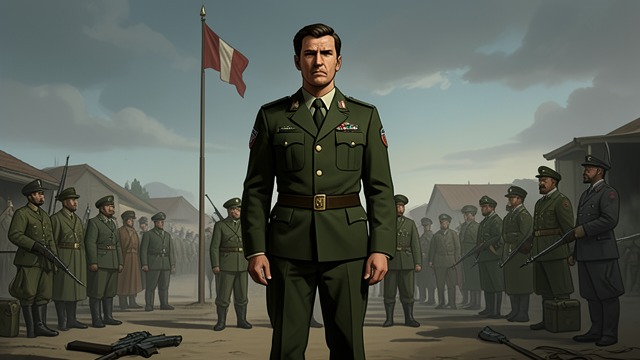
Fighting for an Ideal
Commitment to the Republic
Jordan has joined the Republican cause because he believes fascist victory would make life unbearable for those who value political freedom. He accepts military discipline for the duration of the war.
Duty before self
He treats his work as necessary and puts personal ambitions aside. That commitment gives him purpose but does not settle every question about the methods used to win.
An Education at Gaylord’s
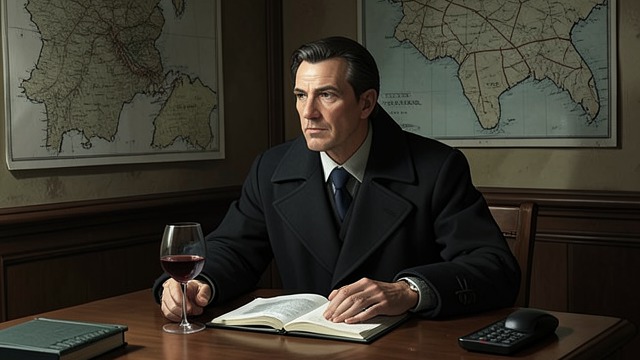
Seeing Politics Clearly
Learning from Karkov
At Gaylord’s, Jordan learns about the political disputes, propaganda, and concealed power shaping the Republican effort. He moves from initial discomfort toward a more complicated understanding.
Knowledge without innocence
He values truth but recognizes that wartime institutions rely on secrecy and strategic deception. His education makes him less naïve without making him indifferent to the cause.
Pilar’s Testimony
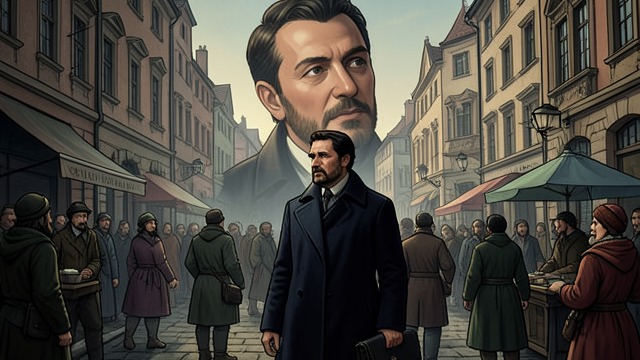
Complicity Remembered
The revolution’s violence
Pilar’s story of the village killings forces Jordan to imagine violence committed by people on his own side. The account makes a collective history immediate and bodily.
An expanded judgment
Jordan recognizes that his education in the war includes learning what his side has done. He cannot preserve conviction by ignoring the people harmed in the name of liberation.
The Account of Maria’s Assault

Violence Made Personal
A survivor speaks
Maria recounts her parents’ execution, her humiliation, and the sexual violence inflicted on her by fascists. Jordan listens and feels hatred that he knows may affect his judgment.
Distinctions under pressure
He recognizes that political violence has touched the person he loves. He tries to avoid turning all decisions into personal revenge, even as the account deepens his anger.
A Harder Moral Vision
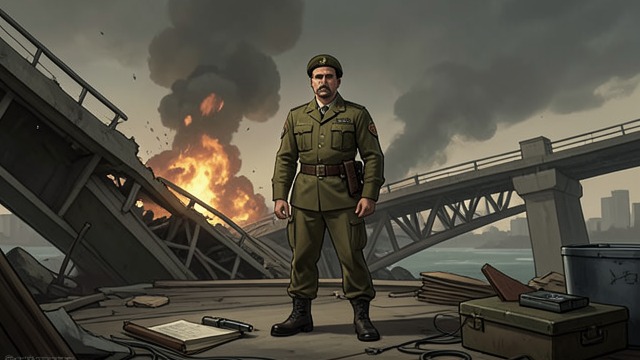
Belief Without Purity
Work and loss
The bridge is down, Anselmo is dead, and the Republican attack is compromised. Jordan has fulfilled his duty without achieving control over its consequences.
No uncomplicated innocence
His attachment, losses, and memories leave him with a more difficult idealism. He still believes the world is worth fighting for, but no longer treats political purpose as a guarantee of moral purity.
Before the mountain mission
During earlier visits to Madrid
The day before the operation
The last night before the attack
After the bridge is destroyed
